.jpg)
.jpg)
.jpg)
.jpg)
.jpg)
Moringa is grown for what it produces rather than what it looks like. The leaves are small, rounded and arranged on feathery compound stalks, and they are the part most people are after. They are eaten as a vegetable, dried and powdered, and fed to livestock, and they carry useful quantities of protein, vitamins and minerals, which is why the tree has become a staple of nutrition and food security programmes across the tropics.
Cream-white flowers appear through much of the year in a warm climate, sweetly scented and heavily worked by bees, which makes it a productive honey plant. The pods that follow are the drumsticks of the common name: long, ribbed, hanging straight down and reaching 45cm or more. Young pods are cooked as a vegetable across South and Southeast Asia. Mature seeds yield ben oil, which is stable, nearly odourless and has been used in cosmetics, lubricants and cooking for centuries.
Crushed seeds also have a well-documented use in water treatment. The proteins they contain bind suspended particles and pull them out of solution, and the method has been studied and applied in rural water purification in several countries.
Plant it in full sun in a warm, frost-free position with shelter from wind. Water it moderately while young, then sparingly, since it is drought tolerant once established and rots easily in wet ground. Cut it back hard and often if you are growing it for leaves, which encourages bushy growth within reach rather than a tall bare trunk. Give it free-draining soil and skip the feeding, because it produces well on poor ground. Use it in a home food garden, a school garden or a smallholding, where fast growth and year-round harvest make it genuinely productive.
We plant Moringa at Mulanje as one of our key agroforestry species, its fast growth, drought tolerance, and highly nutritious leaves make it a genuinely practical choice for communities balancing food security with land restoration. Grown alongside other crops, it provides a fast, renewable source of edible leaves and pods, reducing pressure on surrounding forest resources while directly supporting household nutrition, exactly the kind of dual ecological and community benefit our agroforestry work is built around.
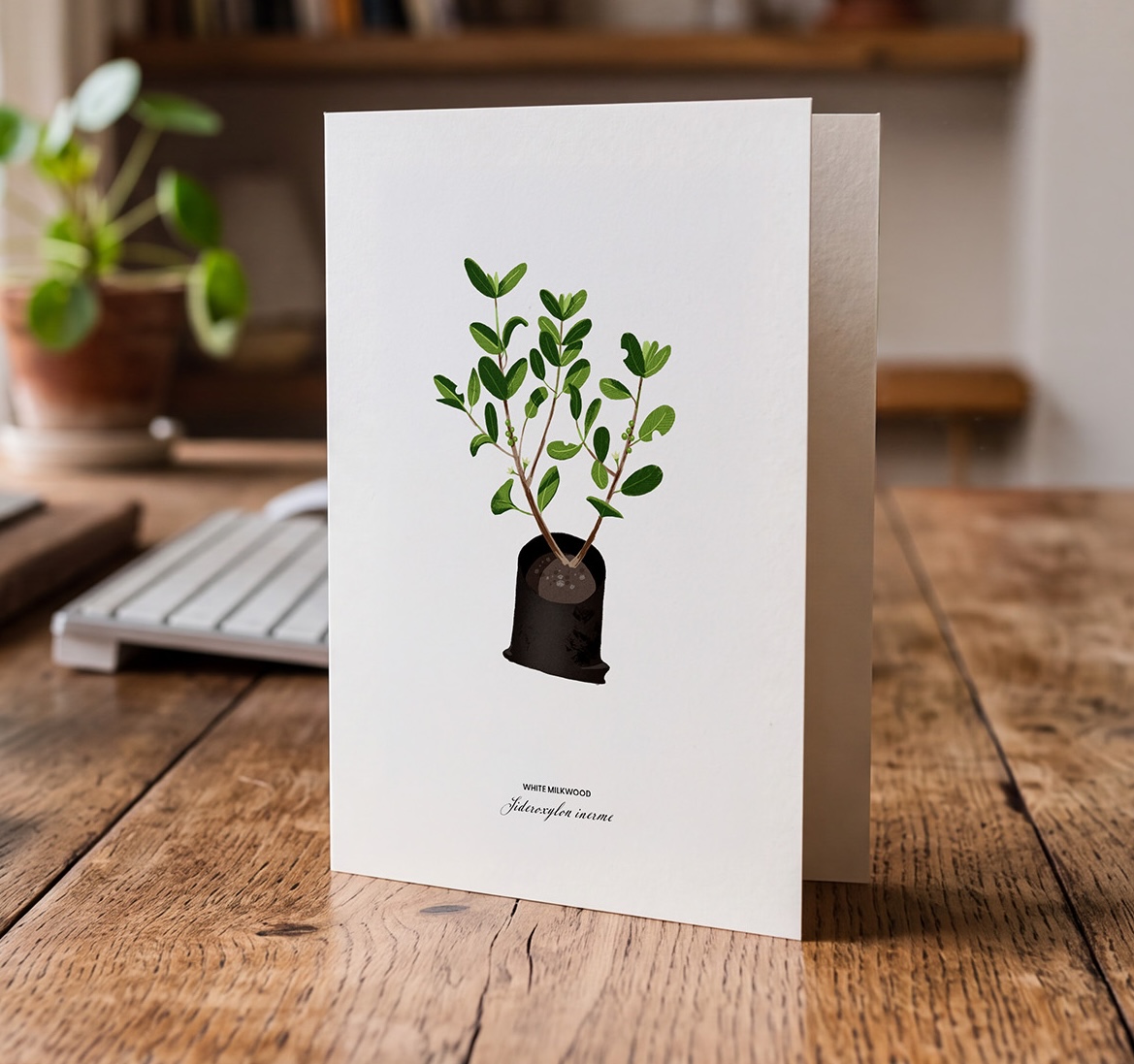
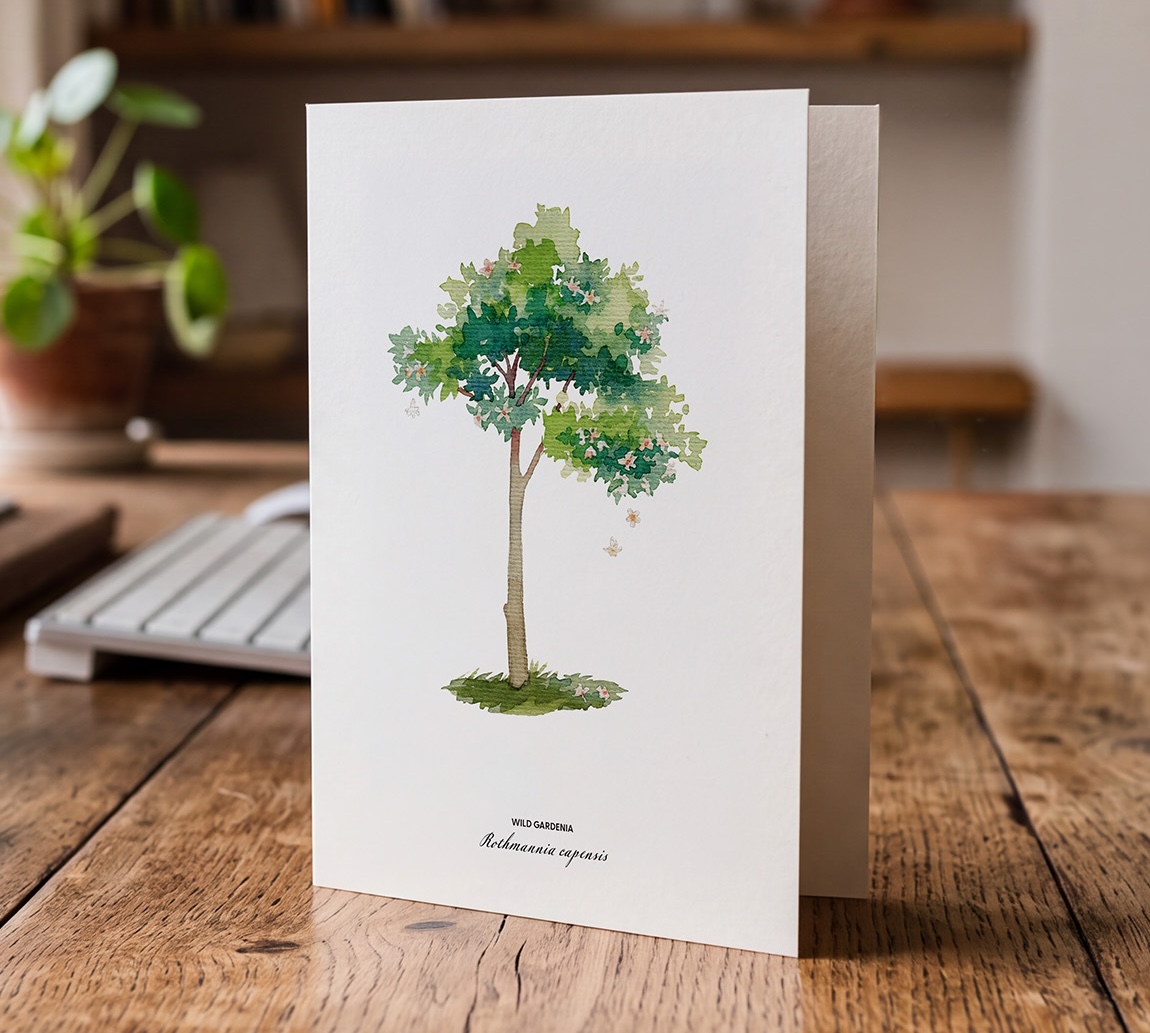
A Tree Card funds real tree planting in one of Greenpop's restoration projects. Browse our full range of designs, for any occasion, and find the right one for you.