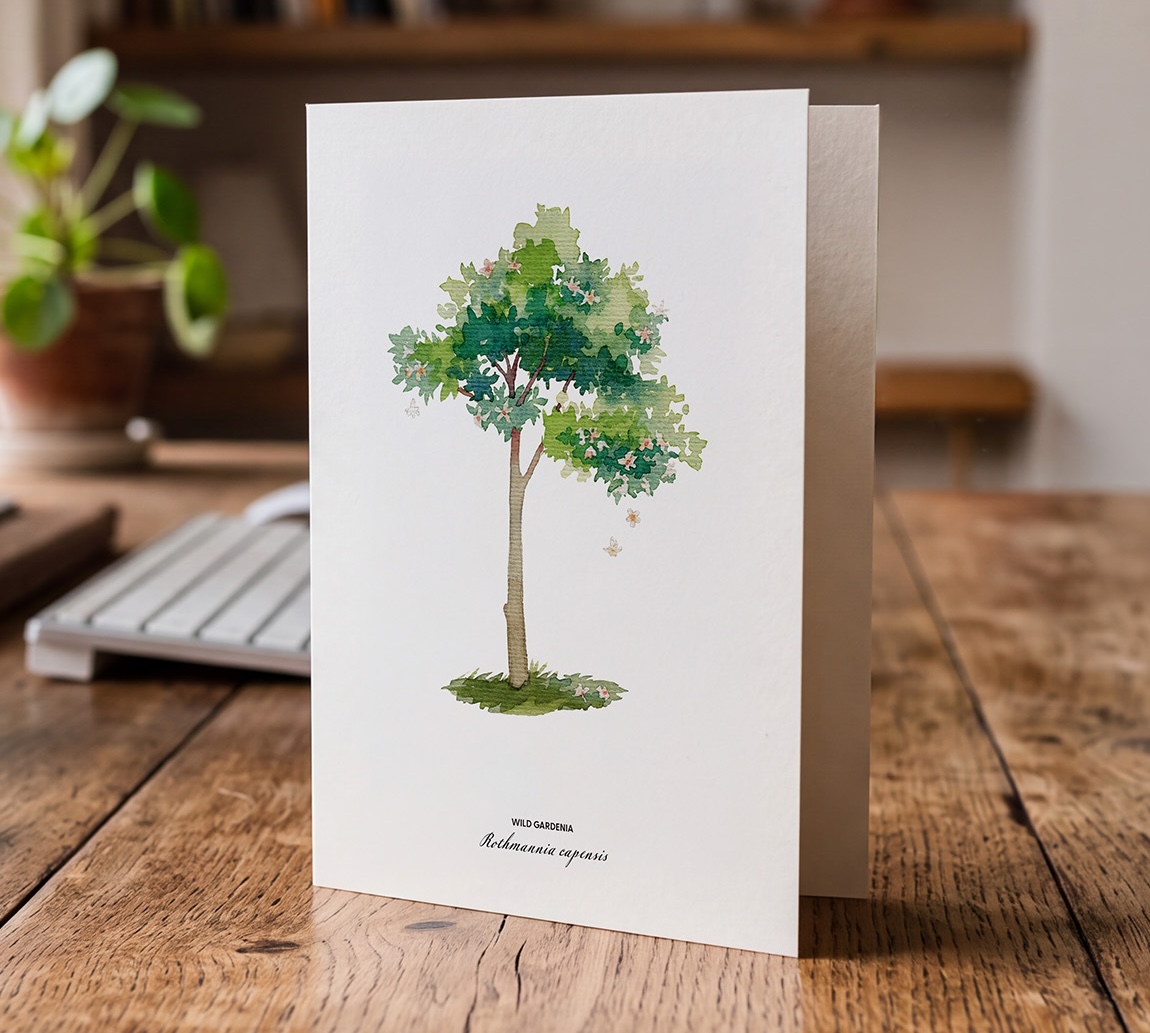
We are turning grey spaces green. From school grounds to community hubs, we are reclaiming the urban landscape to ensure that everyone – regardless of their postcode – has access to the life-giving benefits of nature.
Access to urban green spaces is not a luxury, it is a fundamental human right. They act as green infrastructure that provides essential services for our social and ecological well-being:
City trees can lower pedestrian-level air temperatures by up to 12°C, regulating urban climates.

Proximity to green space is linked to a 35% reduction in stress, anxiety and depressive symptoms.

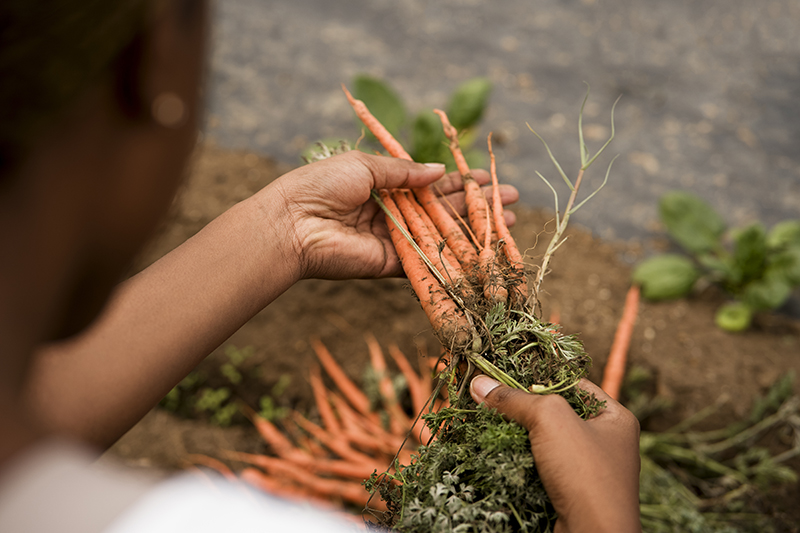
Urban food gardens provide fresh, locally grown produce, enabling communities to control their food sources.
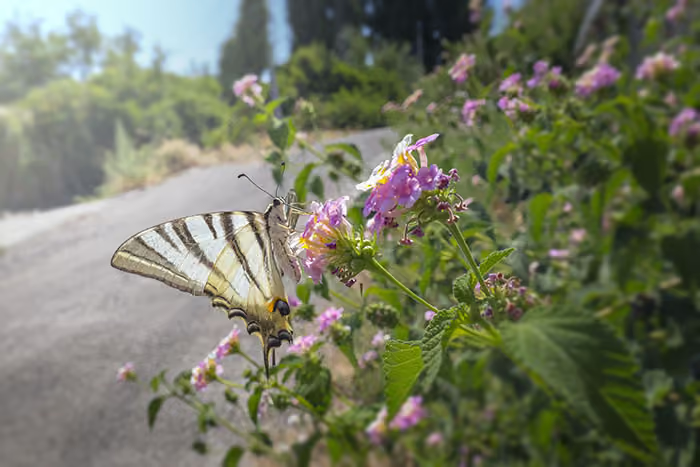
Urban gardens create stepping stones for wildlife and pollinators like bees and butterflies to move through the city.
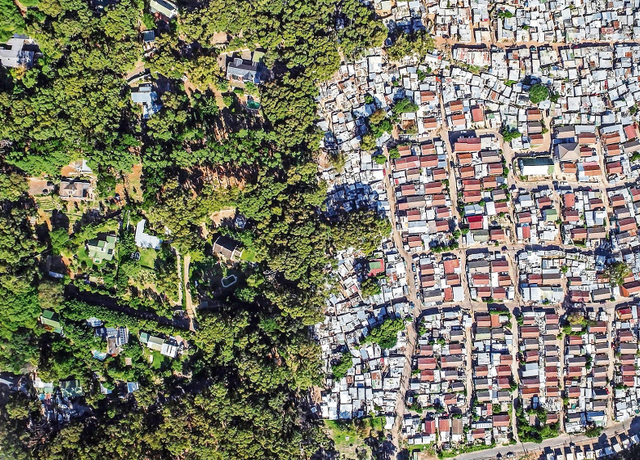
Africa is the world’s most rapidly urbanising continent. Between 2000 and 2030, our urban population is expected to more than double. As our cities expand, it is imperative that nature is integrated into the urban fabric to keep our cities liveable.However, in many cities, urban nature is unequally distributed. Due to historical spatial planning, under-resourced communities often have the least access to green spaces and the life-saving benefits they provide. In Cape Town, research shows that low-income areas have as little as 2.2m² of park space per person, compared to 7.1m² in high-income areas.
This is a matter of both social and environmental justice. This "green divide" leaves vulnerable communities at higher risk of extreme heat and flooding while denying residents the health and food security benefits of a healthy ecosystem. We believe that urban greening is a vital tool for dismantling these inequalities.
Our Urban Greening programme is an active, evidence-based contribution to the global and national frameworks that guide a sustainable future. We ensure our city projects meet the highest standards of international and local policy:
Contributing to Target 12 by significantly increasing the area, quality, and connectivity of urban green spaces for biodiversity and human well-being.
Contributing to Target 12 by significantly increasing the area, quality, and connectivity of urban green spaces for biodiversity and human well-being.
.png)
Implementing "Nature-based Solutions" (NbS) as a primary strategy for urban climate adaptation and cooling.
.svg.avif)
Our projects directly support this new legislative mandate by enhancing adaptive capacity and building social and environmental resilience in vulnerable communities.
Contributing to the transformation of human settlements by retrofitting "grey" areas with green infrastructure to correct historical spatial inequalities.
We don’t just plant trees; we build resilient urban landscapes. Using Nature-Based Solutions (NbS), Ecosystem-based Adaptation (EbA), and landscape architecture principles, we design urban spaces that are productive, biodiverse, and community-led. Our approach is built on three pillars:
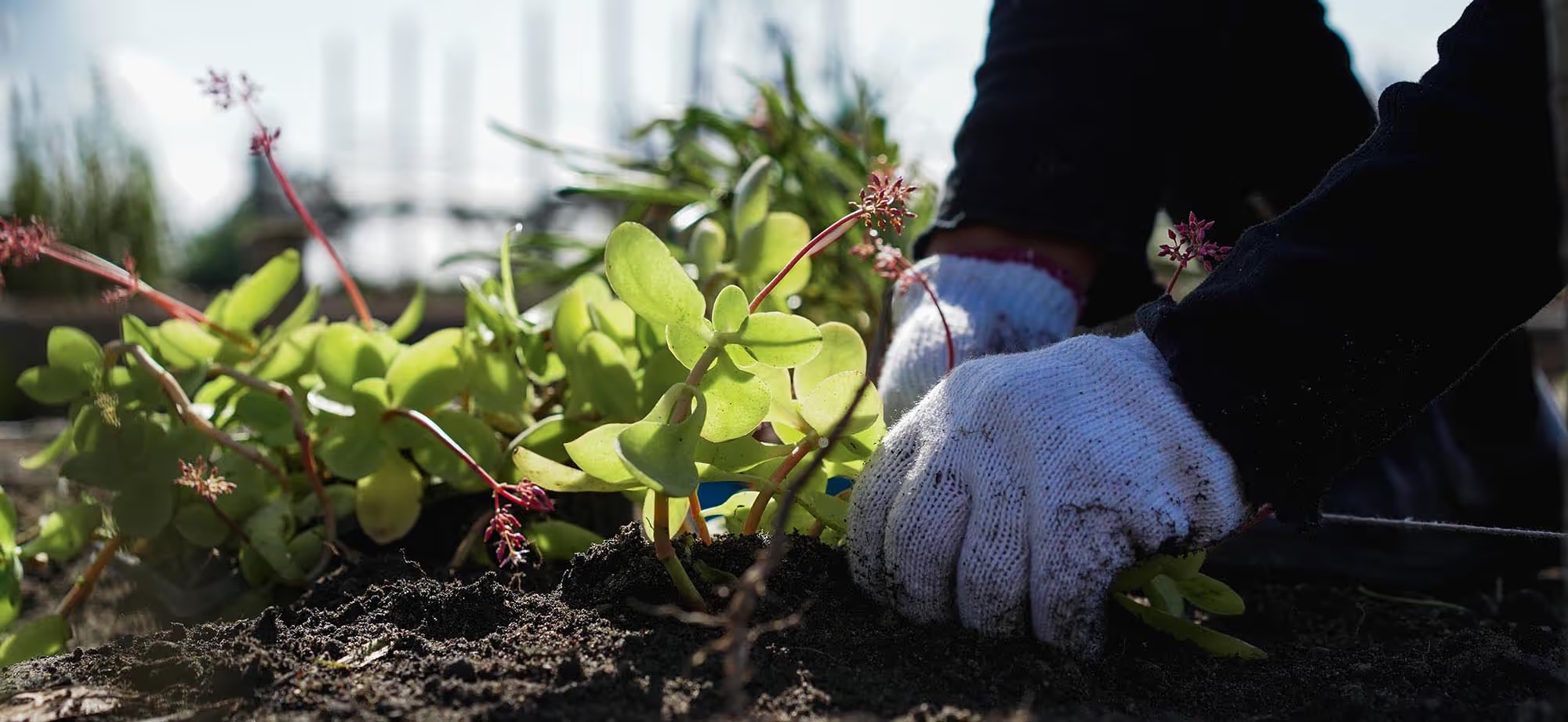
Using water-wise, locally appropriate, and indigenous species (like Fynbos) to boost urban biodiversity and climate resilience.
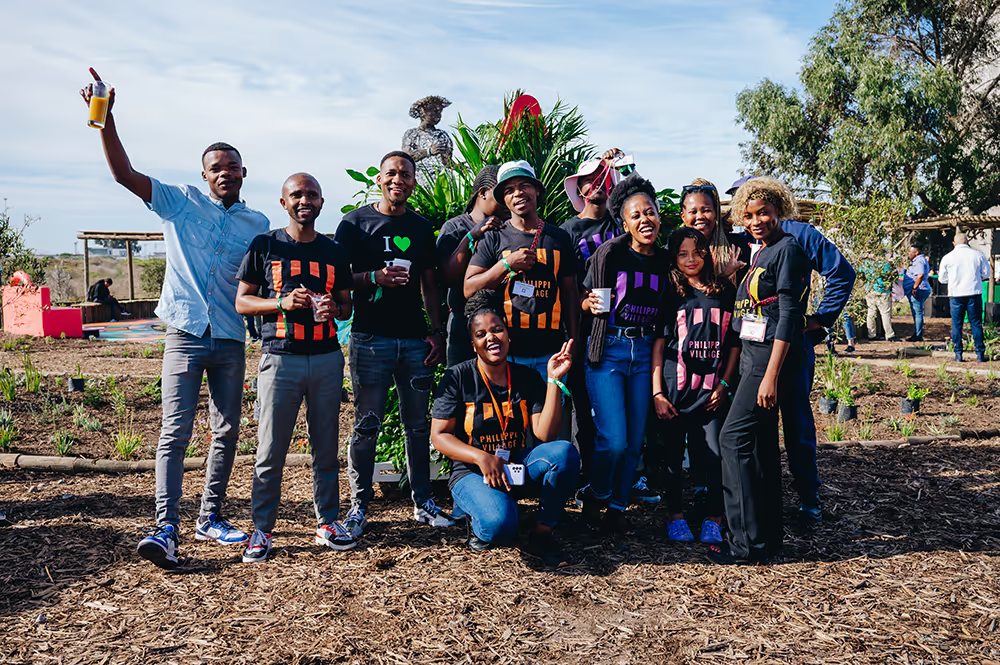
Working hand-in-hand with local partners who bring deep contextual knowledge, we ensure long-term, locally owned impact.
.avif)
Integrating food gardens and outdoor classrooms that address food security and reconnect people with their natural heritage.
Since our first project in 2010 – where we aimed to plant 1,000 trees in one month at under-greened schools – our mission has grown into a multi-faceted programme spanning South Africa and Zambia. We have moved beyond simple planting to creating complex, multi-functional urban ecosystems.


Dive deeper into our specific initiatives transforming cityscapes across Southern Africa:
Cape Town and Johannesburg
Creating sustainable, green urban environments that improve biodiversity and foster community cohesion. We design landscapes that cater to local needs and enhance quality of life.
Cape Town
Establishing and supporting indigenous gardens and outdoor classrooms at schools to increase nature access and appreciation.
Cape Town
A biodiversity-focused initiative restoring the Cape’s unique floral kingdom through planting fynbos gardens, building outdoor classrooms, and conducting environmental education at schools.
Cape Town
A collaborative initiative with Jeremy Loops and Urban Harvest that provided over 100,000 meals during the 2020 COVID-19 crisis. Greenpop served as the education partner, helping transition the project from emergency relief to a permanent, sustainable community food garden.
Cape Town
Funded by The Table Mountain Fund, this strategic partnership focused on creating a strategy for consolidated off-reserve fynbos restoration to create vital biodiversity corridors across Cape Town.
Cape Town
Our foundational initiative focused on expanding tree cover for shade, cooling, and air quality at school and community spaces in under-resourced areas.
Every hectare restored, every indigenous tree planted, and every partner we support is powered by people like you. Join the movement to heal landscapes and secure a thriving future for all.

Join us for a hands-on Greenpop Garden Day in Cape Town or Johannesburg. It’s a powerful team-building experience that creates immediate, tangible impact in under-greened spaces.

From funding high-impact green infrastructure to meeting your ESG goals, let’s build a strategic partnership that dismantles the green divide and drives environmental justice in our cities.

Get your hands dirty! From attending open garden days to helping out at our nursery, find out how you can join us on the ground and help us green grey spaces.